Request a Free Case Evaluation
Texas 51 Percent Rule Accident Law: Understanding Comparative Fault
When you're involved in an accident in Texas, determining who pays for damages isn't always straightforward. Texas follows a modified comparative negligence system, commonly known as the Texas 51 percent rule, which can significantly impact your ability to recover compensation. Understanding this law is crucial for anyone seeking damages after an accident in the Lone Star State.
What Is the Texas 51 Percent Rule?
The texas 51 percent rule accident law, codified in Texas Civil Practice and Remedies Code Section 33.001, establishes a clear threshold for recovery in personal injury cases. Under this rule, a claimant cannot recover damages if their percentage of responsibility is greater than 50 percent. This means if you're found to be 51% or more at fault for an accident, you're completely barred from recovering any compensation.
This texas comparative fault law creates a hard line that distinguishes Texas from pure comparative negligence states. In Texas, you can only recover damages if you're 50% or less responsible for the incident that caused your injuries.
How Texas Modified Comparative Negligence Works
Texas operates under a texas modified comparative negligence system that reduces your damage award based on your percentage of fault. Here's how it functions:
- 50% or less fault: You can recover damages, but your award is reduced by your percentage of responsibility
- 51% or more fault: You cannot recover any damages
For example, if you're awarded $100,000 in damages but found 30% at fault, you would receive $70,000. However, if you're found 51% at fault, you receive nothing.
The Role of Jury Determination
Under texas proportionate responsibility law, specifically Section 33.003, the trier of fact (typically a jury) determines each party's percentage of responsibility. The jury considers:
- Each claimant's actions
- Each defendant's conduct
- Any settling parties' responsibility
- Designated responsible third parties
These percentages must be stated in whole numbers and reflect each person's role in causing or contributing to the harm, whether through negligent acts, defective products, or other conduct violating legal standards.
Common Scenarios in Shared Fault Cases
Shared fault accident texas cases often arise in various situations:
Motor Vehicle Collisions
In multi-vehicle accidents near major Texas courts like those in Harris County, Bexar County, or Hidalgo County, fault may be distributed among multiple drivers. An attorney can help gather evidence to minimize your assigned fault percentage.
Slip and Fall Incidents
Property owners may claim you were partially responsible for not observing obvious hazards. Proving the property owner's greater responsibility requires thorough investigation and legal skill.
Workplace Accidents
While workers' compensation typically applies, third-party claims may involve comparative fault analysis when contractors or equipment manufacturers share responsibility.
How Almaraz Law Firm Can Help
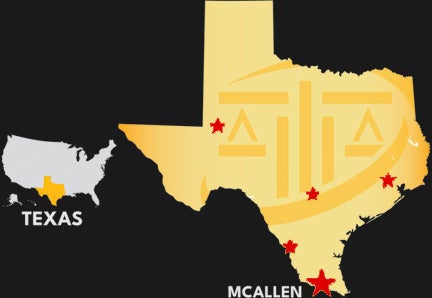
With offices serving clients throughout Texas from McAllen to San Antonio and Midland, Almaraz Law Firm understands the complexities of Texas comparative fault law. Our attorneys work diligently to:
- Investigate accident circumstances thoroughly
- Gather evidence to minimize your fault percentage
- Challenge unfair fault assignments
- Negotiate with insurance companies who may inflate your responsibility
- Present compelling arguments to juries about the true cause of your accident
The firm's deep understanding of Texas courts and local legal procedures across the Rio Grande Valley, South Texas, and West Texas regions provides clients with strategic advantages in comparative fault cases.
Frequently Asked Questions
What happens if I'm exactly 50% at fault?
If you're found exactly 50% responsible, you can still recover damages under Texas law, but your award will be reduced by 50%.
Can the other party's insurance company assign fault percentages?
Insurance companies may suggest fault percentages, but only a court or jury can make official determinations that affect your legal recovery.
How is fault percentage determined in Texas accidents?
Fault is determined by examining evidence including police reports, witness statements, accident reconstruction, traffic laws, and each party's actions leading to the incident.
What if multiple parties caused my accident?
Texas law allows for fault to be distributed among multiple parties. Even if several people contributed to your accident, you can still recover if your fault doesn't exceed 50%.
Does comparative fault apply to all Texas accident cases?
The proportionate responsibility law applies to most tort cases and certain consumer protection claims, but not to workers' compensation or exemplary damage claims.
Get Legal Help for Your Texas Accident Case
Don't let insurance companies or opposing parties unfairly assign blame that could bar your recovery. The experienced attorneys at Almaraz Law Firm fight to protect your rights under Texas comparative fault law. Contact our team today at 956-450-1671 or visit our contact page to schedule your free consultation and learn how we can help maximize your compensation.

Almaraz Law Firm
212 W. Nolana Ave. McAllen, TX 78504,
8422 Fountain Circle, San Antonio, TX 78229
701B W. Indiana Ste. 20, Midland, Texas 79701
Hours: Monday-Friday 9:00am - 4:30pm
*Midland, Texas available by appt only*